Product Name
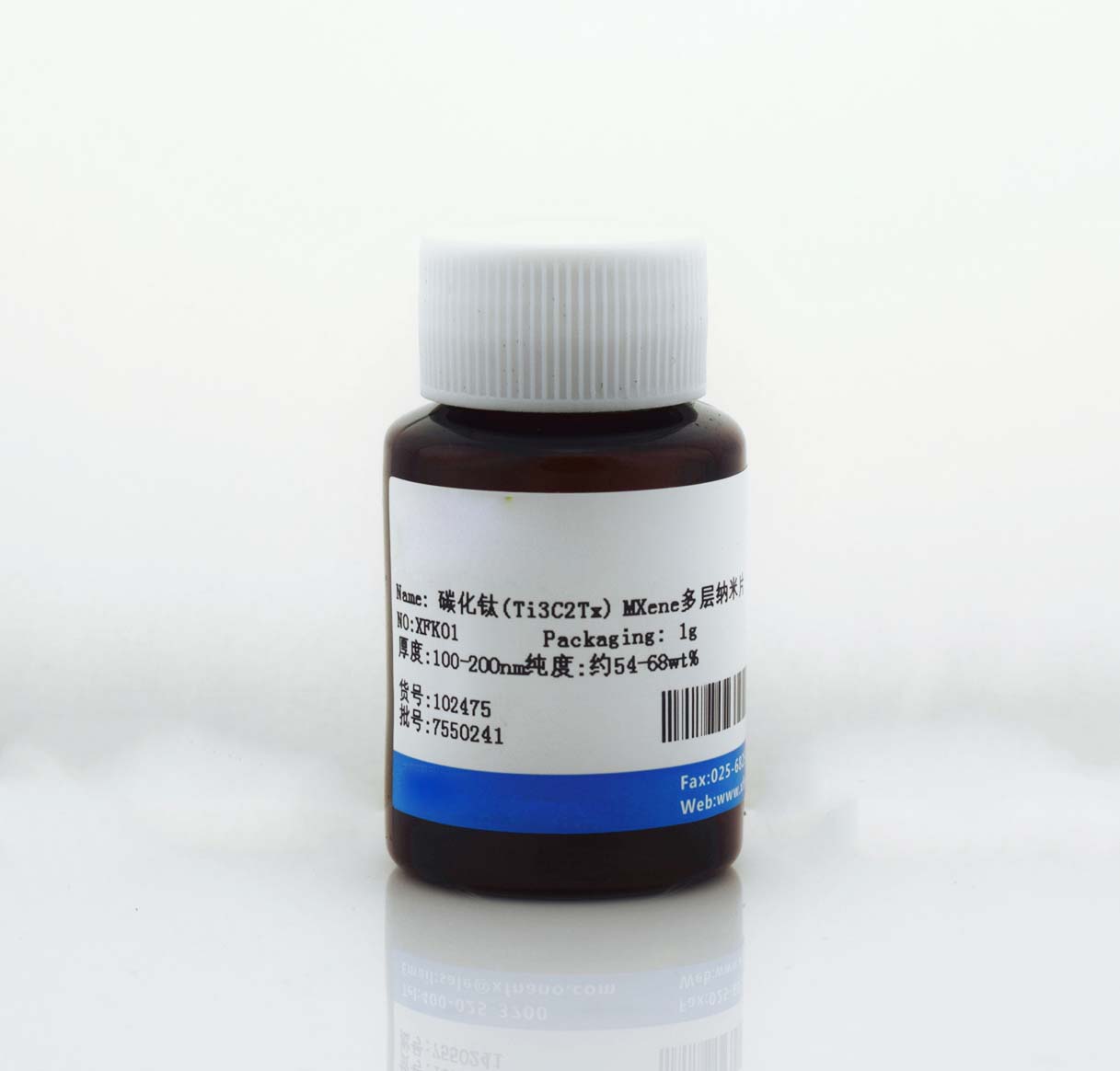
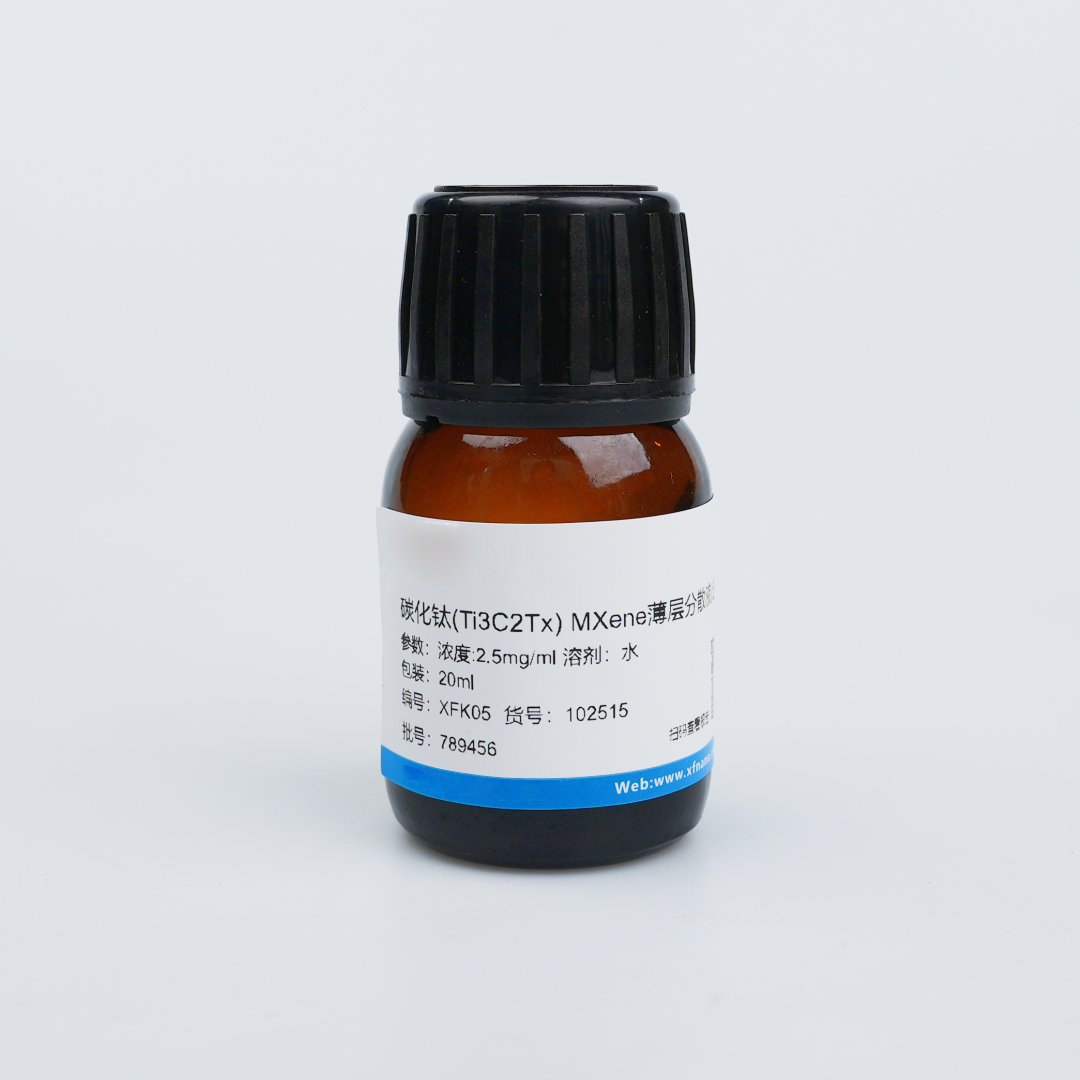
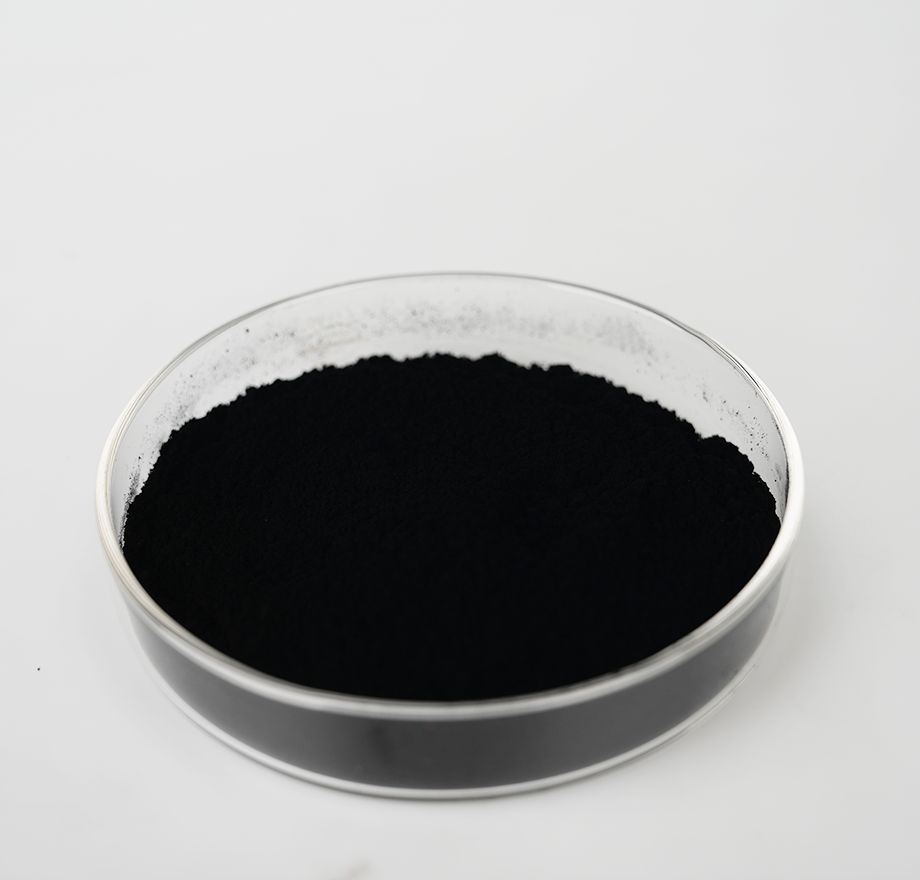
Chinese Name: Titanium Carbide (Ti₃C₂Tₓ) MXene Multilayer Nanoflake
English Name: Ti₃C₂Tₓ (MXene) Multilayer Nanoflake
Product Overview
MAX phases are a family of ternary layered ceramic materials, where M represents a transition metal element, A primarily represents elements from groups IIIA and IVA, and X represents carbon or nitrogen. These materials crystallize in a hexagonal structure with the space group P6₃/mmc, in which M-atom layers and A-atom layers are alternately arranged to form a layered structure similar to hexagonal close-packing, while X atoms occupy octahedral interstitial sites. The general formula is Mₙ₊₁AXₙ, where M is an early transition metal, A is an A-group element, X is carbon or nitrogen, and n = 1, 2, or 3. When n = 1, the phase is referred to as the 211 phase (e.g., Ti₂AlC, Ti₂SiC); when n = 2, it is the 312 phase (e.g., Ti₃SiC₂, Ti₃AlC₂); and when n = 3, it is the 413 phase (e.g., Ti₄AlN₃). MAX phases are typically synthesized by ball-milling and mixing raw material powders, followed by high-temperature sintering.
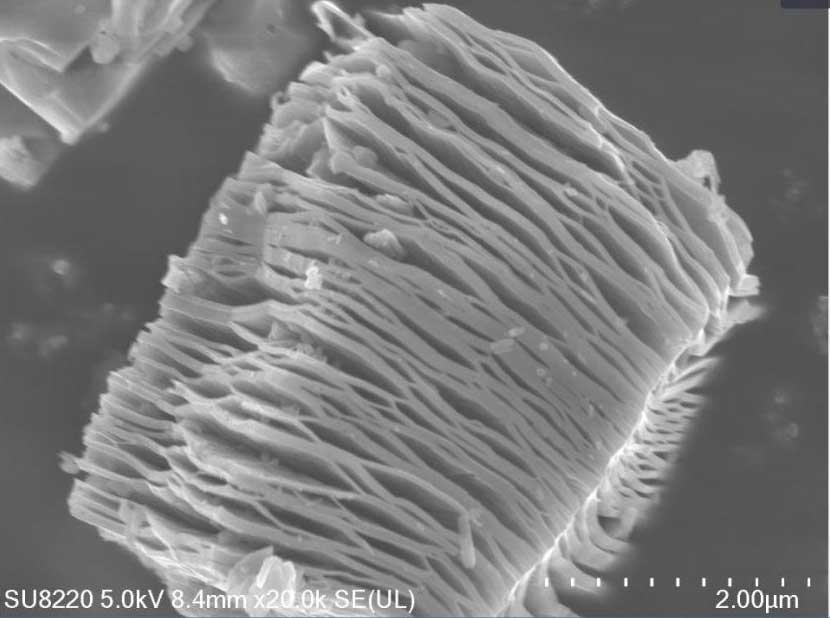
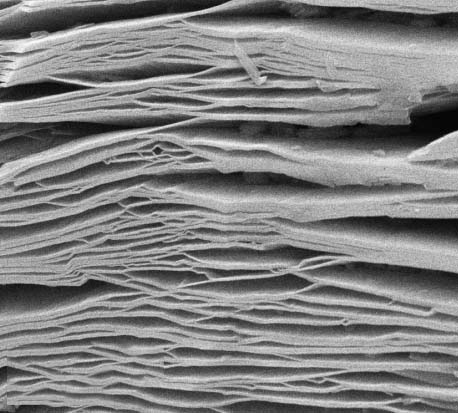
MXenes are a novel class of 2D transition metal carbides/nitrides, prepared by selectively etching the A-atom layers from MAX phases using suitable etchants (such as HF, LiF+HCl, NH₄HF₂, etc.), taking advantage of the relatively weak bonding between the A layers and the M-X layers. These materials combine excellent electrical conductivity and hydrophilicity. To date, a variety of MXenes have been successfully synthesized, including Ti₃C₂Tₓ, V₄C₃Tₓ, Nb₂CTₓ, and Ti₂CTₓ. Their general formula is Mₙ₊₁XₙTₓ, where Tₓ represents surface terminations (such as –OH, –F, =O, –Cl, etc.) introduced during the chemical etching of the MAX precursor. Multilayer MXenes can be exfoliated into single-layer MXene nanosheets via ultrasonication or ball milling, yielding a morphology similar to that of graphene.
Technical Parameters
Product Features
Mingshan provides a wide range of MAX phases and MXene nanosheets, including Ti₃AlC₂, Ti₂AlC, Nb₂AlC, as well as Ti₃C₂Tₓ, Ti₂CTₓ, Nb₂CTₓ, V₄C₃Tₓ, and Ti₃CN. Taking Ti₃AlC₂ as an example, we offer accordion-like (HF-etched) and clay-like (LiF+HCl-etched) multilayer MXene nanosheets, as well as single-layer (~1 nm), thin-layer (1–5 nm), and few-layer (1–10 nm) MXene nanosheets obtained via ultrasonication-assisted exfoliation, along with their dispersions.
Tunable size and thickness: MXene nanosheets with varying platelet sizes and thicknesses are available.
Excellent hydrophilicity: Abundant surface functional groups endow MXenes with good dispersibility in aqueous media.
High electrical conductivity: The alternating arrangement of carbon layers and transition metal layers imparts excellent electrical conductivity and pseudocapacitive properties to MXenes.
2D layered structure: Large specific surface area and abundant surface active sites contribute to superior catalytic performance.
Applications
Sensing: MXenes possess a large specific surface area and abundant active sites, facilitating the adsorption and reaction of gas molecules on the material surface. They are suitable for the detection of gases such as methane (CH₄), hydrogen sulfide (H₂S), and ammonia (NH₃), as well as for biochemical sensing applications.
Catalysis: With abundant surface functional groups and tunable bandgaps, MXenes are widely used in photocatalytic and electrocatalytic degradation of pollutants, water splitting for hydrogen production, and CO₂ reduction.
Biomedical Applications: MXenes exhibit strong absorption in the near-infrared (NIR) region, making them promising photothermal conversion agents for biomedical therapy. They can also serve as drug delivery carriers to enhance therapeutic efficacy.
Energy Storage: The unique 2D layered structure makes MXenes suitable as electrode materials for lithium-ion and sodium-ion batteries. Additionally, their excellent stability and high electrical conductivity have led to applications in supercapacitors and fuel cells.
Electromagnetic Absorption and Shielding: Benefiting from their exceptional metallic conductivity, hydrophilicity, flexibility, and ease of coating, MXenes can be incorporated into polymers to form thin films that achieve electromagnetic absorption and shielding effects.
 MXenes
  MXenes


Product Inquiry