Home > News > Industry news
Industrial carbon capture project designers struggle to choose between liquid amine absorbent and solid MOF adsorbent. This article compares full-cycle cost and practical working performance of two capture media. High-stability MOF’s industrial value can be supplemented via Why High-Stability MOF Is Critical for Industrial CO2 Capture Projects.
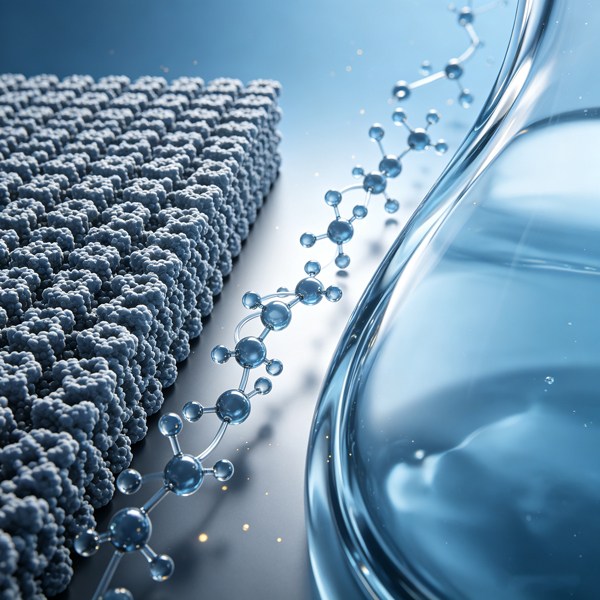
Amine solution requires complete heating, regeneration and liquid circulation equipment with high early equipment construction cost. Custom MOF solid adsorbent only needs fixed adsorption bed devices with simpler supporting facilities and lower one-time construction investment.
Liquid amine consumes massive heat energy during regeneration, generating continuous high power consumption cost every year. High-stability modified MOF from Nanjing Mission New Materials Co.,Ltd supports low-temperature cyclic regeneration, cutting daily energy consumption by 40%–65%. Amine liquid also produces volatile toxic waste liquid requiring regular replacement and hazardous waste disposal fees.
Amine solvent degrades rapidly under flue gas impurities, needing full replenishment every 6–12 months. Modified industrial MOF maintains stable capture capacity for 18–30 months with minimal supplement demand.
Amine solution fits ultra-large centralized power plant capture projects with sufficient heat supply. Custom MOF solid sorbent is more suitable for small and medium cement, steel factory flue gas capture and distributed DAC equipment.
Though MOF carries higher unit raw material price at first purchase, its low energy consumption and long service life deliver obvious full-cycle economic advantages for most medium-sized industrial carbon capture projects. Nanjing Mission New Materials Co.,Ltd provides high-stability CO₂ capture MOF powder and full-cycle cost calculation reports for factory project pre-evaluation. Submit your flue gas working parameters to get cost-performance comparison data for free.



Leave your message