Home > News > Industry news
MOF (Metal-Organic Framework) is a kind of porous crystalline functional nanomaterial composed of metal cluster nodes and organic ligand connections. Different from traditional porous materials such as activated carbon and zeolite, MOF features adjustable pore size, ultra-high specific surface area and customizable surface chemical properties, which has become a core material for environmental protection, new energy and fine chemical industries in recent years.
For laboratory researchers and industrial material purchasers, understanding the basic attributes and applicable scenarios of MOF is the premise of material selection and project design. Nanjing Mission New Materials Co.,Ltd, as a professional manufacturer focusing on custom MOF, MXene and LDH materials, summarizes core industry knowledge to help global clients reduce trial-and-error costs in material procurement.
Basic Structural Composition of MOF
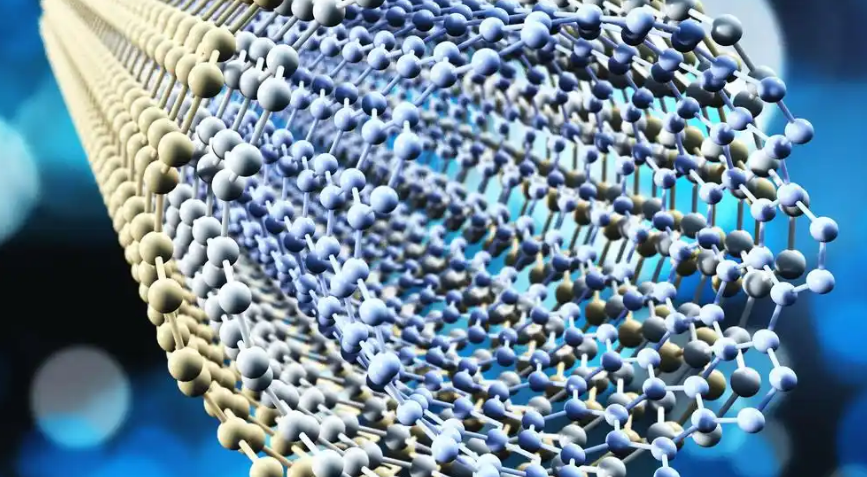
The complete MOF structure is jointly constructed by two core parts: inorganic metal nodes and organic connecting ligands. Common metal raw materials include zirconium, zinc, copper and aluminum, while organic ligands are mainly carboxylic acid and imidazole compounds. By adjusting the metal ratio and ligand type, manufacturers can create MOF products with different pore diameters and surface activity to adapt to diversified application needs.
At present, ZIF-8 and UiO-66 are the two most widely used commercial MOF types. ZIF-8 has excellent stability under normal temperature conditions and is mostly used for gas adsorption; UiO-66 performs well in acidic environments and is favored in sewage treatment and catalytic reactions. Clients who need tailored specifications can obtain exclusive products through the custom MOF synthesis service provided by Nanjing Mission New Materials Co.,Ltd.
Mainstream MOF Synthesis Technologies
In commercial production, three synthesis methods are widely adopted, each with targeted applicable scenarios:
First, the solvothermal method. This is the most mainstream industrial preparation method. The reaction is completed in a high-temperature and high-pressure reactor with organic solvent as the carrier. The finished MOF powder has uniform particle size and high crystallinity, suitable for large-scale batch production.
Second, the hydrothermal method. Using water instead of organic solvents, this method is environmentally friendly and low-cost, which is more suitable for small-batch laboratory research.
Third, microwave-assisted synthesis. The reaction cycle is shortened to tens of minutes, which can quickly prepare small-particle MOF samples for preliminary R&D testing.
Core Industrial Application Scenarios
The diverse performance of MOF determines its wide coverage in multiple industries. In the environmental protection field, MOF can efficiently capture carbon dioxide, methane and other gases, and remove organic pollutants from industrial wastewater. In the new energy industry, high-porosity MOF is used as electrode auxiliary material and gas storage carrier to improve the energy density of batteries and hydrogen storage equipment.
In addition, functionalized MOF can also be used as a high-efficiency catalyst for organic synthesis and petrochemical reactions, effectively improving reaction efficiency and reducing raw material waste.
Conclusion
With the continuous maturity of industrial synthesis technology, MOF is no longer limited to laboratory research. More and more manufacturing enterprises begin to replace traditional porous materials with high-performance MOFs. If you are looking for stable-supplied MOF powder or customized synthesis solutions, welcome to contact Nanjing Mission New Materials Co.,Ltd to get free material samples and technical parameter sheets.



Leave your message